Bromley Council rules for public flower displays in West Wickham
Posted on 21/10/2026
If you are planning a public flower display in West Wickham, the details matter more than most people expect. A lovely planter outside a parade of shops, a hanging basket on a lamppost, or a seasonal display near a community space can brighten the street in seconds. But the Bromley Council rules for public flower displays in West Wickham are there for a reason: safety, visibility, access, maintenance, and making sure the display actually works in a busy public setting.
This guide breaks the subject down in plain English. We will look at how the rules usually work, who needs to think about them, what good practice looks like, and where the common trip-ups happen. If you are part of a residents' group, a business, a local committee, or simply helping with a summer planting scheme, you will find something useful here. And to be fair, public flowers should feel joyful, not like a paperwork headache.
For broader local floral context, it may also help to look at a trusted local florist in West Wickham or explore flower delivery in West Wickham BR4 if you are sourcing blooms for a display, event, or seasonal installation.
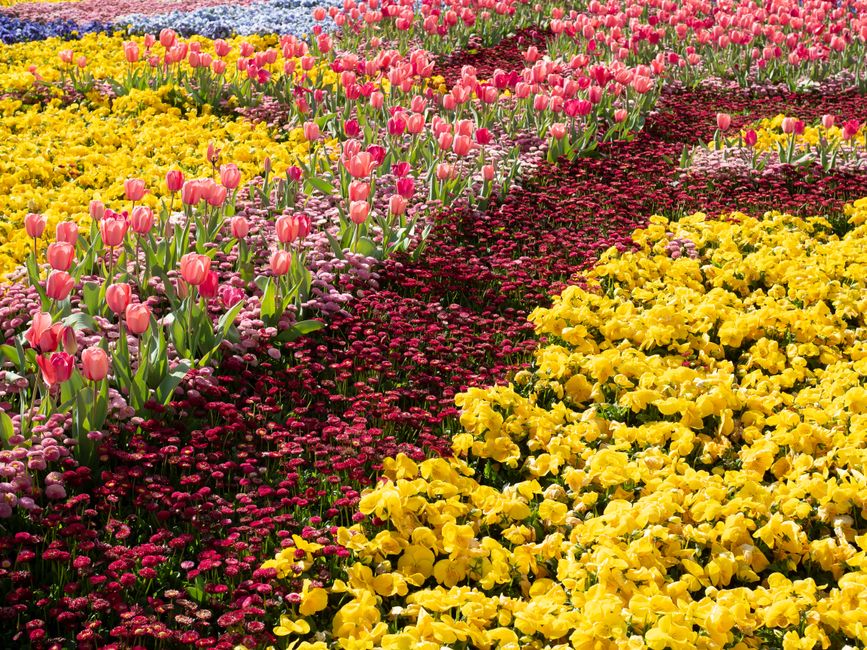
Why Bromley Council rules for public flower displays in West Wickham Matters
Public flower displays sound simple. Put up some baskets, water them, enjoy the colour. In practice, though, anything placed in a shared public environment has to work around other people, other uses, and other risks. That includes pedestrians, wheelchair users, pushchairs, drivers, shopfronts, emergency access, litter collection, street cleaning, and day-to-day maintenance.
West Wickham has the feel of a place where a floral display can genuinely lift a street. On a sunny morning, a well-kept planter outside a local row of shops can soften the hard edges of paving and traffic, and people do notice. The trouble starts when a display blocks sightlines, drops soil onto footpaths, or becomes a maintenance burden that nobody quite owns. That is where council rules and local approval processes become essential.
Usually, the main purpose of local authority rules is not to stop planting. It is to make sure the planting is safe, tidy, and manageable over time. That means thinking beyond the launch day. Who waters it during a dry spell? Who replaces damaged plants? What happens if a display encroaches on a narrow pavement? What if the wind turns a lightweight basket into a hazard? Questions like that sound mundane, but they are exactly the ones that matter.
Key point: the best public floral displays are not just attractive; they are low-risk, maintainable, and clearly authorised. That combination is what keeps a nice idea from becoming a nuisance.
It is also worth remembering that a public display reflects on everyone involved. A patchy basket or wilted bed can make an area look neglected rather than cared for. By contrast, a well-planned arrangement can make a whole frontage feel warmer, friendlier, and more intentional. People may not know why it works, but they feel it.
How Bromley Council rules for public flower displays in West Wickham Works
Although the exact requirements depend on the location, ownership of the land, and the nature of the display, the process usually follows a familiar pattern. First, someone identifies the place where flowers will go. Then they check whether the space is public highway, pavement, verge, planted bed, street furniture, or private land visible from the street. That distinction matters. A lot.
If the display sits on or over public land, permission or coordination is often needed because the council or another public body may control the space. If it sits on private land but affects the public realm, it may still need careful checking. For example, a display near a shop entrance can create access issues even if the soil is technically on private property. Let's face it, boundaries are rarely as neat as we hope they are.
In practical terms, the council will usually care about a few core issues:
- Safety: nothing should create trip hazards, blind corners, or falling-object risks.
- Accessibility: footways must stay usable for pedestrians, mobility aids, and pushchairs.
- Visibility: displays should not block road users' sightlines or signage.
- Maintenance: there must be a realistic plan for watering, pruning, litter removal, and seasonal replacement.
- Condition: dead plants, broken containers, leaning supports, or spilled compost should be addressed promptly.
For a seasonal display, the council may also expect the group responsible to show that it can cope with the full cycle, not just installation. In other words, not "we'll plant it in June and see what happens in August." Public horticulture is a bit less romantic than that. Still lovely, though.
If flowers are being supplied for a larger event, community initiative, or corporate frontage in the area, a provider with reliable fulfilment and clear product ranges such as same-day flower delivery in West Wickham or next-day flower delivery can be helpful for urgent replacements and last-minute changes.
Key Benefits and Practical Advantages
Getting the rules right may feel like admin, but there are real advantages. The first is obvious: you reduce the chance of complaints, removal notices, or awkward conversations with the council. The second is more subtle. A compliant display usually lasts longer because it has been designed for real-world conditions rather than wishful thinking.
Here are the practical benefits people often notice:
- Cleaner presentation: approved displays tend to look more professional and intentional.
- Less waste: you avoid throwing money at plants that fail because the site was unsuitable.
- Better community support: neighbours and local businesses are more likely to back a scheme that feels orderly.
- Lower maintenance stress: there is less firefighting and fewer emergency fixes.
- Stronger seasonal impact: the flowers are more likely to survive long enough to do what they were planted for.
There is another upside that does not get discussed enough: a well-run public display gives people a sense that somebody cares. In a place like West Wickham, that sense of care can be small but powerful. You see it when passers-by pause for a second. Or when a child points out the colours to a parent. Tiny moment, but it sticks.
From a practical standpoint, a good display also makes budgeting easier. If you know what the site can support, how often it needs watering, and what replacement stock you might need, you can plan sensibly. That matters whether you are keeping costs down or aiming for a premium finish with best flower delivery options in West Wickham or a more budget-conscious approach like cheap flowers in West Wickham.
Who This Is For and When It Makes Sense
This topic is relevant to more people than you might think. It is not just for formal civic schemes or large public events. It also matters for everyday local situations where flowers become part of the street scene.
You may need to think about Bromley Council rules for public flower displays in West Wickham if you are:
- a shop owner planning hanging baskets or planters outside your premises;
- a local business association coordinating a high-street enhancement project;
- a residents' group improving a verge, corner bed, or shared frontage;
- an event organiser using flowers for a ceremony, market, or seasonal celebration;
- a school, church, or community group decorating a public-facing area;
- a florist or contractor installing and maintaining public floral features;
- a homeowner whose display may spill onto or affect the pavement.
It also makes sense to pay attention if the display is likely to remain in place for more than a short period. A one-off hand-held arrangement for a private gathering is very different from a month-long planter on a public pavement. The longer it stays, the more important upkeep and permissions become.
A good rule of thumb? If a display could affect someone's route, line of sight, or ability to move comfortably through the area, treat it as something that needs proper checking. Simple, but it saves headaches later.
Step-by-Step Guidance
If you are setting up a public flower display in West Wickham, a structured approach keeps things manageable. Here is the practical version.
- Identify the site clearly. Is it public highway, verge, pavement, private land, or a mixed boundary? Get that straight first.
- Define the purpose. Is the display decorative, seasonal, commemorative, or part of a wider local improvement project?
- Check likely constraints. Think about footfall, access, weather exposure, visibility, nearby traffic, and ongoing maintenance.
- Decide who is responsible. Somebody must own watering, weeding, deadheading, litter pickup, and replacements. No owner, no stable scheme.
- Choose suitable materials. Pick sturdy containers, stable fixings, and plants that suit the location, not just the colour palette.
- Plan for upkeep. Build a calendar for watering, feeding, pruning, and seasonal refreshes.
- Seek the relevant approval or coordination. If the display uses public space or could affect it, do not assume silence means approval.
- Install safely. Keep walkways clear and make sure nothing is loose, top-heavy, or easy to tip.
- Inspect regularly. A display that looked perfect on day one can look tired after a week of wind and rain.
- Respond quickly to issues. Fix spilled compost, broken containers, and drooping plants before they become visible problems.
Here is the bit people sometimes skip: factor in seasonal conditions. A display that works beautifully in mild weather may struggle in a hot spell, a wet week, or a windy corner by a junction. If your site catches full afternoon sun, for example, you may need more frequent watering than you first think. Quite a bit more, in some weeks.
If the flowers are part of a wider event or celebratory scheme, the product choice matters too. A mix of sturdy blooms from categories such as all flowers or seasonal selections like summer flowers can be a better fit than delicate stems that sulk at the first bit of weather.
Expert Tips for Better Results
In our experience, the strongest public displays are not the fanciest ones. They are the ones that match the site. That sounds obvious, but it is easy to forget when you are tempted by an eye-catching design that looks brilliant on a table and slightly chaotic on a windy pavement.
Use these tips to lift the quality of a scheme without making it hard to maintain:
- Choose robust plants first. Tougher varieties often outlast more delicate ones in public settings.
- Work with the light levels. Shade-loving plants in a sunny location, or the reverse, is a fast route to disappointment.
- Keep colour schemes simple. Two or three tones usually read better from the street than a dozen competing shades.
- Use heavier containers where needed. This helps with wind resistance and makes accidental knocks less likely.
- Build in a maintenance buffer. Assume you will need extra time, extra water, and the occasional replacement plant.
- Think like a passer-by. Will the arrangement still look tidy from five metres away? From a car? In drizzle? Harsh but useful questions.
A small local detail can make a big difference too. If the display sits near a doorway or pavement edge, keep the outer line crisp and clear. Loose trailing stems may look romantic in a private garden, but on a public route they can feel messy or obstructive. Nice idea, wrong place. Happens all the time.
If you are building a floral feature for an anniversary, seasonal campaign, or thank-you gesture, you can also draw inspiration from clear design-led ranges such as anniversary flowers or thank-you flowers, especially when the goal is polished presentation rather than volume.
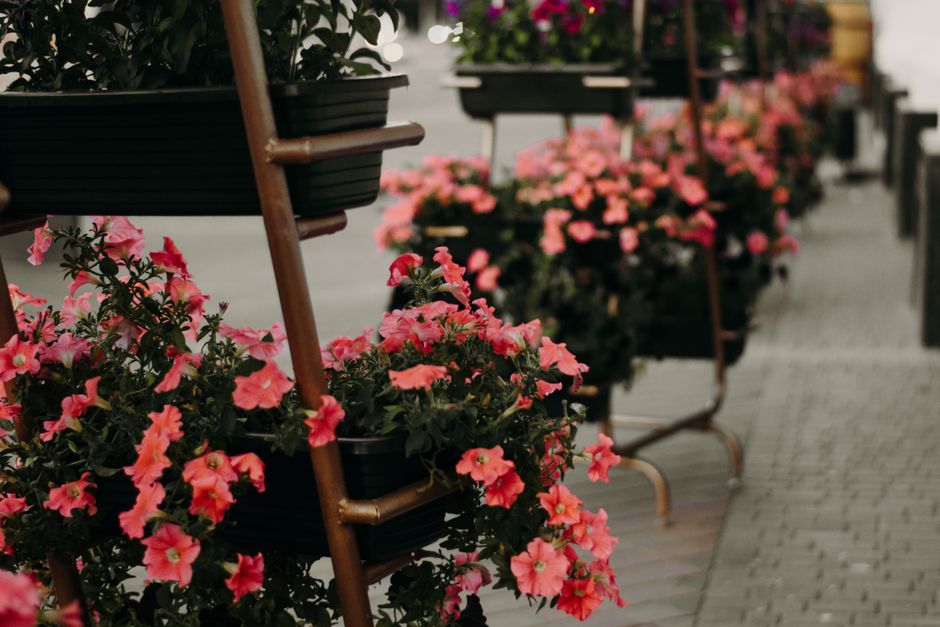
Common Mistakes to Avoid
Most issues with public flower displays come from predictably fixable mistakes. The trouble is, they are easy to make when everyone is focused on the nice part - the planting. Here are the ones worth avoiding.
- Assuming permission is unnecessary. A public-facing display often needs some form of approval, even if only through local coordination.
- Ignoring access needs. A planter that leaves only a narrow gap can become a real nuisance for anyone with mobility needs.
- Choosing fragile plants. Beautiful? Yes. Durable? Not always.
- Forgetting maintenance responsibility. Flowers do not water themselves. Sadly.
- Using weak fixings. Loose baskets and unstable brackets are not just untidy; they are risky.
- Overcrowding the space. More flowers do not automatically mean a better display.
- Letting the display become tatty. Once the first flowers fade, a scheme needs prompt attention.
There is also a softer mistake: designing for the launch photo rather than the lived reality of the street. A display may look wonderful on day one, in bright light, with everyone standing back. By day twelve, after a bit of wind and routine foot traffic, the test is different. The best schemes can handle that change without falling apart visually.
Another common slip is failing to think through responsibility during holidays or staff absence. If nobody is around to water the plants during a hot spell, the display can decline in a few hours, not days. Truth be told, that part catches more people than they expect.
Tools, Resources and Recommendations
You do not need a huge toolkit to manage a small public display, but the right basics make life easier. A few sensible tools can save a lot of fuss.
- Watering cans or hose access: essential for regular upkeep.
- Sturdy gloves: useful for deadheading, pruning, and clearing debris.
- Plant labels or a simple log: handy if several people share maintenance duties.
- Stable containers and fixings: better to overbuild slightly than to replace damaged items later.
- Mulch or moisture-retaining compost: helps in warmer spells, where appropriate.
- Basic inspection checklist: a quick weekly check keeps small faults from becoming noticeable.
When selecting flowers, think about display life, not just first impression. Some people prefer bold, immediate impact; others want a softer, more seasonal look. Either way, a provider with a broad mix, such as best sellers or florist choice, can be useful when you need a balanced, reliable selection rather than a highly specific single style.
For maintenance, a small written plan is often better than a vague agreement. Who waters? Who checks for pests? Who reports damage? Who decides when a display should be refreshed? Those answers may feel obvious at the start, then mysteriously blur after a few weeks. Written notes keep everyone honest, in the best possible way.
If the display is part of a business setting, it can also help to speak early with a florist who understands commercial presentation, not just hand-tied bouquets. Commercial displays need sturdier stems, better structure, and a practical plan for replacement. A pretty bouquet is one thing. A street-facing basket in July is another beast entirely.
Law, Compliance, Standards, or Best Practice
This is the section where caution matters. Public flower displays can touch on local authority permissions, highway safety, access requirements, land ownership, and general duty-of-care concerns. The exact legal position depends on the location and the nature of the installation, so it is wise not to assume one rule fits every site.
In general, good practice means:
- keeping pavements and access routes clear;
- avoiding visual obstructions near crossings or junctions;
- making sure the display is fixed securely;
- preventing spillages, trip hazards, and loose materials;
- maintaining the display so it does not become unsightly or unsafe;
- checking whether the land is council-controlled, privately owned, or shared;
- documenting who is responsible for upkeep and inspection.
Where public space is involved, best practice is to treat the display as something operational, not decorative-only. That means planning for wear and tear, not just appearance. It also means being realistic about capacity. If the group cannot maintain the site properly, the display may need to be scaled back or redesigned.
There is a useful principle here: if in doubt, simplify. A modest, stable, well-maintained arrangement is usually better than an ambitious one that keeps needing rescue. Councils and local stakeholders tend to respond more positively to schemes that show care, restraint, and consistency.
Also, do not overlook broader business terms and policies if you are ordering flowers or arranging supply. Delivery timing, refunds, payment terms, and product guarantees can all matter when you are planning around a public date or event. A clear supplier policy, such as the ones set out in delivery information, returns and refund guidance, and guarantees, can reduce uncertainty when timing is tight.
Options, Methods, or Comparison Table
Different public floral setups suit different spaces. Here is a straightforward comparison that may help when you are deciding what makes sense for West Wickham.
| Method | Best for | Pros | Watch-outs |
|---|---|---|---|
| Hanging baskets | Shopfronts, decorative high-street schemes | Strong visual impact, uses vertical space well | Needs secure fixing, regular watering, wind checks |
| Ground planters | Wide pavements, forecourts, community spaces | Stable, easier to maintain, good for larger planting | Can obstruct access if oversized or badly placed |
| Temporary event arrangements | Markets, celebrations, ceremonies | Flexible, quick to set up, easy to theme | Short-lived unless someone takes ownership after the event |
| Permanent beds or borders | Village greens, managed public edges, civic areas | Long-term value, strong seasonal continuity | Higher planning need and ongoing upkeep |
| Window-box style frontage planting | Private property with public visibility | Can look lovely without taking up ground space | May still need care if overhang affects public areas |
The best choice is usually the one your team can keep looking good after the first flush of enthusiasm. That sounds slightly cynical, but it is true. A smaller scheme well maintained beats a grander one left half-done.
Case Study or Real-World Example
Imagine a small group of shop owners in West Wickham wanting to brighten a short section of high street. They agree on a seasonal flower display using planters at intervals along the frontage. At first, they are tempted to choose the most colourful, high-drama planting possible. One person wants trailing blooms, another wants tall stems, someone else suggests very decorative containers with bright edging. Sounds fun. Also sounds like maintenance trouble.
Instead, they step back and check the practicals. The pavement is busy at commuter times. There is a busier section near one corner where visibility matters. The site gets strong afternoon sun and occasional wind tunnelling between buildings. So they choose sturdy containers, medium-height planting, a simple two-colour scheme, and a watering rota shared across the group.
They also agree one named person will inspect the display each morning for the first week. That is the kind of detail that saves a scheme. Within a few days, they notice one planter dries out faster than the others because it sits in a hotter patch near brickwork. They move the watering schedule forward for that section, and the whole display settles down. Nothing dramatic. Just sensible management.
The result is not a showpiece for a glossy magazine. It is better than that, in a way. It looks natural, cared for, and it stays that way. Passers-by slow down a little. A few people stop to look. The street feels friendlier. That is the real win.
Practical Checklist
Use this checklist before a public display goes live, and again after installation. It keeps the project grounded.
- Have we confirmed who owns or controls the site?
- Do we know whether permission or local coordination is needed?
- Is the display keeping all access routes clear?
- Are containers, brackets, and fixings secure?
- Have we chosen plants that suit the light, weather, and upkeep level?
- Is there a named person or team responsible for watering and maintenance?
- Do we have a replacement plan for damaged or failing plants?
- Have we checked the display from pedestrian and driver viewpoints?
- Are any trip hazards, spill risks, or sharp edges present?
- Do we have a clear schedule for review, cleaning, and seasonal refresh?
Practical summary: if you can answer all ten points confidently, you are in good shape. If a few answers are shaky, adjust the plan before launch. It is always easier to improve a display on paper than after it has already started to sag.
Conclusion
Bromley Council rules for public flower displays in West Wickham are not there to spoil the idea. They exist to help a good idea work properly in a real place, among real people, with real weather and real foot traffic. Once you understand that, the whole process becomes less intimidating. You are not fighting the system; you are building a display that can last.
The best public flower schemes are the ones that feel easy to live with. They look good, they stay safe, and somebody knows exactly how they are looked after. If you keep the design grounded, the maintenance practical, and the permissions checked, you give the flowers the best possible chance to do their job - making West Wickham feel brighter, softer, and more cared for.
If you are planning a display, ordering replacements, or arranging flowers for a local space, take a moment to compare options carefully and choose the approach that suits your site, your budget, and your maintenance capacity.
Get a free quote today and see how much you can save.
Frequently Asked Questions
Do I need permission for a public flower display in West Wickham?
Often, yes, especially if the display is on public land, affects the pavement, or involves fixed structures like brackets or large planters. The safest approach is to check before installation rather than assuming it will be fine.
What counts as a public flower display?
Anything that is installed in a shared or publicly visible space and could affect access, safety, or maintenance may count. That includes hanging baskets, roadside planters, verge planting, and floral features outside shops or community buildings.
Can I place flowers outside my business without asking anyone?
Not always. Even if the area looks like it belongs to your frontage, the pavement or highway side may still be controlled separately. If the display touches public space, it is worth checking first.
What are the biggest safety issues with public floral displays?
The main issues are blocked walkways, unstable containers, poor visibility near corners or crossings, and anything that might tip, spill, or break. Wind and rain can turn a neat display into a problem surprisingly quickly.
How often should public flower displays be maintained?
That depends on the plants and location, but regular checks are essential. In hot or windy weather, some sites may need daily attention. At minimum, a weekly review is usually sensible for anything public-facing.
What type of flowers work best for public displays?
Robust, weather-tolerant flowers usually perform better than delicate varieties. The best choice depends on sun exposure, shelter, container size, and how much maintenance the display can realistically receive.
Are hanging baskets better than ground planters?
Neither is automatically better. Hanging baskets give strong visual impact and save ground space, while planters are often more stable and easier to maintain. The right option depends on the site and the available upkeep.
What happens if a display becomes untidy or unsafe?
It may need immediate repair, reduction, or removal. Public displays should not be left to drift into a neglected state, because that creates both visual and practical problems.
Can a florist help with public flower display planning?
Yes, especially if they understand commercial or community installations rather than only gift bouquets. A florist can help with plant selection, structure, colour balance, and timing, which can make a big difference.
How do I keep a public display looking good in summer?
Use plants suited to brighter conditions, water consistently, and avoid overcrowding the arrangement. Summer weather can be harsh on public displays, so build in a maintenance buffer from the start.
Is it better to choose cheaper flowers for a public display?
Not necessarily. Lower-cost flowers can work well if they are suitable for the site and easy to maintain. The cheapest option is not always the best value if it fails quickly or needs frequent replacement.
What should I do before setting up flowers near a road or junction?
Check visibility, ensure nothing blocks sightlines, and keep the arrangement clear of traffic movement and pedestrian routes. If there is any doubt, reduce the footprint and simplify the design.
Sometimes the smartest display is the one that looks effortless because the planning behind it was not. That is usually the sign you have done it properly.